

Cause and Effect: Resurgence of Analog Cars
- quincyhepburn
- Feb 16, 2024
- 4 min read

Updated: Feb 20, 2024
Since the year 2018, all passenger vehicles sold in the United States have been legally required to have reversing cameras with a visual display no less than 2 inches in size. What does this mean? Well for starters, you will never climb into a car made after 2018 and not be presented with a large screen in place of a traditional radio. While this change does have
many benefits such as improved visibility, standardization of navigation systems, access to built in vehicle wifi and decluttering the often complicated controls of a traditional infotainment system, it has left car enthusiasts quite divided. Why would anyone want less visibility and security within their vehicle? Well from an enthusiast standpoint it is simple, really. The average car enthusiast enjoys the pleasures of driving, doing their own repairs and easily customizing their vehicles. Enthusiasts adore tactile switch gear, manual shifters and hydraulic parking brakes. So how exactly does a reversing camera affect this? It marked the end of an era for car enthusiasts- the legal extinction of analog cars.

The inclusion of touch screen technology in the early and mid 2000’s among luxury cars eventually snowballed into a seriously overwhelming amount of tech in our cars today. So much technological advancement that anyone who is not familiar with the most recent products from each brand may face serious difficulties even putting some cars into drive.
In the mid 2000’s car manufacturers like Mercedes and Volvo began including “keyless entry” which would allow anyone to open your car doors if it detected the key within five feet of the driver’s door. This would lead to keyless starting systems, allowing the driver to simply keep the key in their pocket and press the start button and they would be ready to go. Then this expanded to phone-to-key connectivity, allowing one to start their car from anywhere, so long as you had the manufacturer’s app (ex: “myBuick Mobile app”). Tesla would take this even further by removing the need to even “start” your vehicle, all you need to do now is press the brake pedal and the vehicle will automatically take itself out of park and use its radar detection system to put the vehicle in drive or reverse depending on which direction appears clear. The role of cars has shifted from being a utilitarian mode of transportation to a frequently upgraded appliance similar to a phone or computer.
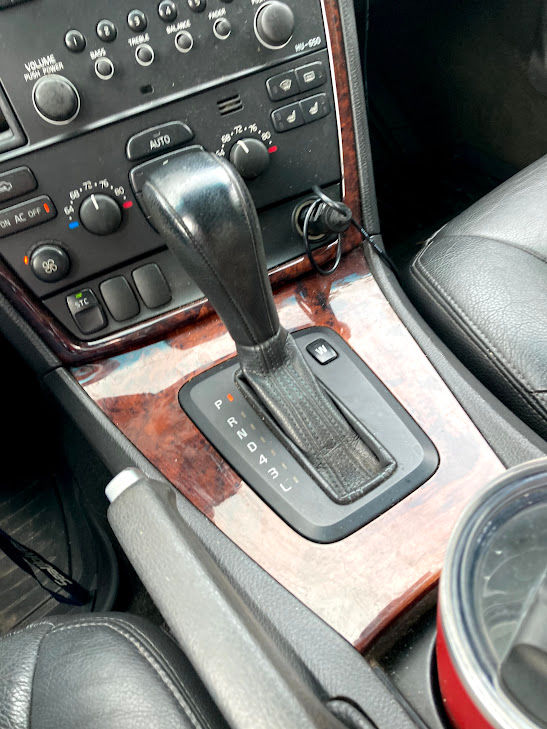
Every year, fewer people own their vehicles outright than ever before. In fact as of 2021, the number of new car leases signed increased by 26% globally as car prices were hitting all time highs due to the pandemic. In the U.S. nearly 30% of sales are done through a lease program, with 20% of that number being pickup trucks (cartelligent.com 2023). The dealer mark-ups, manufacturer price gouging and large influx of expensive new technologies from the pandemic left most car buyers feeling financially hopeless. However, one benefit of this massive increase in pricing was that used cars, particularly pre-computer chip (analog cars), became unexpectedly valuable again.
The pandemic shortages of mechanics and computer chips proved to many car buyers that some new technology has not been proven reliable, cheap, easy to fix or even particularly desirable. As prices rose and income dropped, many people revisited their leases and chose to opt out for purchasing a cheaper, older and less complicated vehicle to maintain. The market would eventually begin to reflect this by the start of 2023, used car prices had held so much of a premium for over two years that dealers had to begin offering massive rebates, discounts and incentives in order to sell new stock and compete with the used market.

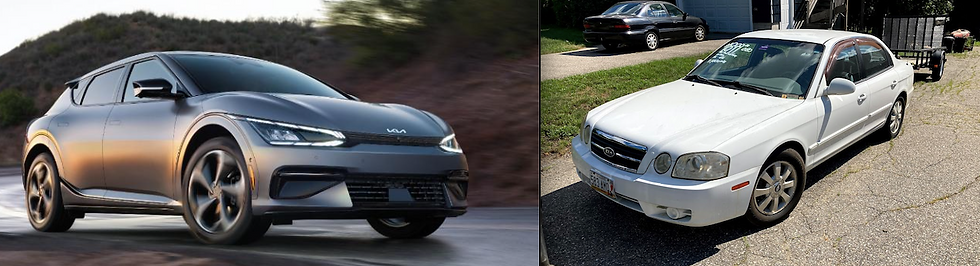
Along with the dealer response, many manufacturers began producing vehicles with more basic and durable features to appeal to price conscious buyers. Cars like the new Toyota Corolla, Chevy Trax, Honda Civic and Hyundai Venue all built themselves off of proven formulas: simplicity, reliability, durability, economy and warranty. While reliability may be a question with the all new three cylinder in the Chevy Trax or the Hyundai Venue, one thing for sure is that this formula has already helped them sell in massive numbers to a cash strapped economy. Check the “automotive news” section of my site in the near future to see stories showcasing how the rise in off-road vehicles in the pandemic contributed to the rise of analog cars, as well as how Hyundai was able to completely rebrand itself due to its warranty program. As the rest of the world continues to leap forward with technological advancements, it is clear that the automotive world still has a few decades worth of advancements to make before any of this tech can be considered cheap or reliable. In fact, Jim Farley said to Automotive News when asked about soaring new vehicle costs that "It's non-negotiable that we're going to allocate capital to a new affordable electric vehicle ... and you have to make money in the first 12 months." Promising news for those invested in Ford, as they currently do not have an electric vehicle with an MSRP below a staggering $50,000. For now at least, the ICE vehicle market is seeing a large resurgence of analog and economy style vehicles due to nostalgic trends, the pandemic price bubble, mechanic shortages, low production cost and easily maintainable cars- and enthusiasts are thrilled. Proving to manufacturers that so long as prices remain low, they will always have a market to sell too.

Comments